Off-Grid Gardening: A Bigfoot’s Guide to Watching Humans Rediscover Dirt
Off-grid gardening isn’t complicated—though I’ve watched humans try their best to make it that way. This guide covers the basics of growing food, building healthy soil, and creating a productive garden that actually works off the grid.
FOODLAND
Hey, it's me, Harold. Some of the links on this site are affiliate links, which means I might earn a small commission if you click through and make a purchase — at no extra cost to you. The humans call this "monetization." I call it "finally getting paid after decades of free publicity."
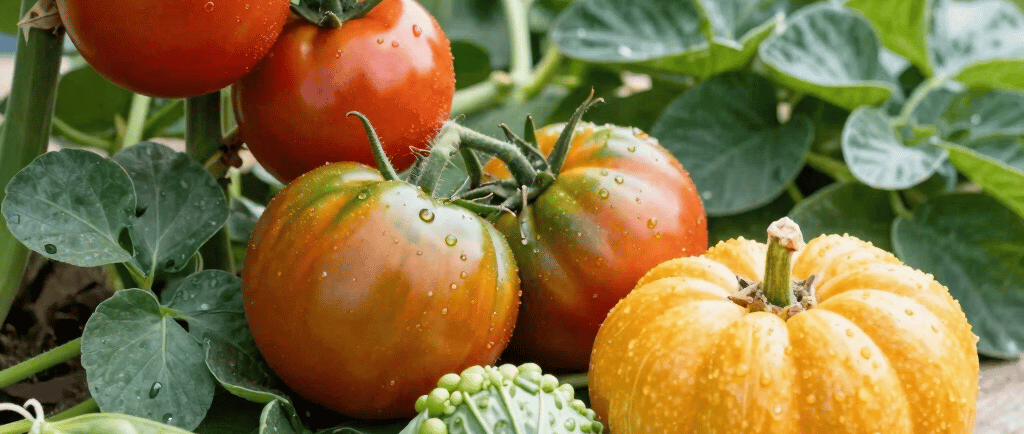
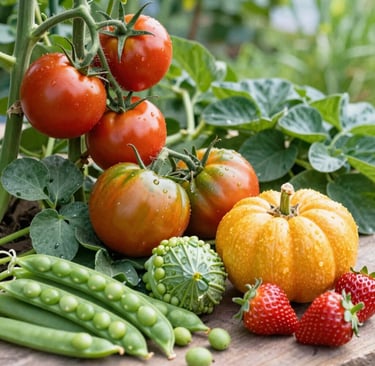
Let me be clear about something upfront: I have been foraging and growing food in the woods for several centuries. I have watched entire agricultural civilizations rise, fall, and get replaced by people who bought a raised bed kit from a big box store and called themselves homesteaders. I say this not to discourage you, but to establish that I am, perhaps, the most qualified individual on this continent to tell you how to grow food without a grid, a subscription service, or a WiFi connection.
Start With the Soil (Not the Seeds, Not the Gadgets — the Soil)
Every single year, I watch humans walk into a garden center, spend three hundred dollars on heirloom seed packets, come home, stick them directly into what I can only describe as compacted orange clay, and then wonder why nothing grew. It is a ritual at this point. I respect the tradition. I do not respect the results.
Soil is everything. If you get the soil right, the rest of the garden will largely handle itself. If you get the soil wrong, you will spend the entire summer fighting against it, blaming the seeds, blaming the weather, blaming Mercury retrograde, and eventually giving up and ordering produce from the internet. I have seen it happen more times than I can count.
Good garden soil should be dark, loose, and smell like something alive — because it is. Healthy soil is teeming with microorganisms, worms, fungi, and biological activity that does the actual heavy lifting of feeding your plants. Your job is not to control the soil. Your job is to feed it and stay out of its way.
Start by building organic matter. Compost is the single best thing you can add to any garden, and making it costs you nothing but a little patience and a willingness to save your kitchen scraps. Layer green material — vegetable scraps, fresh grass clippings, plant cuttings — with brown material like dry leaves, straw, and cardboard. Keep it moist. Turn it occasionally. In a few months, you will have rich, dark compost that will transform even mediocre soil into something worth planting in. The goats, if you have them, will try to eat the cardboard before it makes it to the pile. Plan accordingly.
If you are starting with truly terrible soil — hard clay, sandy wasteland, or the gravelly disappointment many rural properties seem to specialize in — consider building raised beds and filling them with a quality soil mix. This is not cheating. This is strategy. I have watched humans spend five years trying to amend a clay pan when they could have built a raised bed in a weekend and been harvesting tomatoes by July. Do not let pride stand between you and actual food.


Plan Before You Plant (Yes, This Means You)
Here is a thing I have noticed: humans love to plant first and think later. They get excited in early spring, plant seventeen different varieties of squash because the seed packets looked appealing, and then spend August completely overwhelmed, drowning in zucchini, wondering where they went wrong.
Where they went wrong was the planning stage. Or rather, the lack of one.
Before you put anything in the ground, you need to understand your space. How much sun does your garden spot actually get? Most vegetables need six to eight hours of direct sunlight per day. If your chosen spot is shaded by trees, a barn, or — I am not judging — an ambitious chicken coop you built in the wrong location, your vegetable options are significantly limited. Leafy greens and herbs will tolerate partial shade. Tomatoes, peppers, and squash will not, and they will make their unhappiness known through a season of weak, leggy, unproductive misery.
Know your last frost date. This is the single most useful piece of regional information a gardener can have, and it is freely available. Planting warm-season crops — tomatoes, cucumbers, beans, squash — before your last frost date is an optimistic gamble that rarely pays off. The old-timers knew their frost dates by feel, by observation, by watching the signs around them. You can look yours up online. Use every tool available to you. I have no patience for unnecessary suffering.
Draw a rough map of your garden before planting. Group plants with similar water and sunlight needs together. Give sprawling plants like squash and melons room to roam — they will take it whether you plan for it or not. Plant tall crops like corn and sunflowers on the north side of the garden so they do not shade out their shorter neighbors. These are not complicated rules. They are the natural logic of how plants actually grow, and they will save you enormous frustration.
Water Wisely, Because Water Is the Whole Game Off-Grid
On the grid, water is easy. You turn a tap, water comes out, problem solved. Off-grid, water is a resource that requires actual thought, and your garden's relationship with water will define your entire growing season.
The first thing to understand is that most gardens are overwatered, not underwatered. Humans see a plant look slightly droopy on a hot afternoon and immediately panic, dragging out the hose for an emergency intervention. Here is a fact: many plants wilt slightly in peak afternoon heat as a normal stress response and recover on their own by evening. Before you water, stick your finger two inches into the soil. If it is dry at that depth, water. If it is still moist, leave it alone. This one habit will save you significant water and produce healthier plants with deeper, more resilient root systems.
Off-grid, rainwater harvesting is your best friend. A basic barrel collection system connected to a roof or outbuilding can capture hundreds of gallons from a single good rain. This is not advanced technology. This is a barrel with a lid and a spigot. Humans have been doing this for thousands of years and somehow it became a novelty. Set up your collection before the dry season, not during it.
Mulch your garden beds heavily — four to six inches of straw, wood chips, or dried leaves around your plants. Mulch retains soil moisture, suppresses weeds, and breaks down over time to feed your soil. A well-mulched garden can go significantly longer between waterings than a bare one. It also looks considerably more intentional, which I understand matters to some of you.
What to Actually Grow (And What to Leave at the Store)
Growing everything from scratch is a beautiful goal and an excellent way to guarantee that you grow nothing particularly well. Start with a focused selection of productive, reliable crops and expand from there.
For a productive off-grid garden, prioritize calorie-dense and preservation-friendly crops. Potatoes are extraordinary. They are calorie-dense, store well, grow in a wide range of conditions, and produce reliably even for inexperienced gardeners. Plant them, mound soil around the stems as they grow, and dig them up in the fall. That is most of what you need to know.
Winter squash — butternut, delicata, acorn — stores for months without any processing. You grow it, you cure it in a warm spot for a couple of weeks, and then you stack it in a cool dry place and eat it through winter. This is not complicated. The plant does most of the work.
Dry beans are another staple worth growing. They fix nitrogen in your soil, which benefits everything planted after them, and dried beans keep essentially indefinitely in proper storage. Grow more than you think you need. You will use them.
Leafy greens — kale, chard, spinach — are fast, productive, and nutritious. Kale in particular is nearly indestructible and will survive frosts that kill less determined plants. I respect kale. It has the energy of something that has decided to survive no matter what, which I find personally relatable.
What you probably do not need in your first off-grid garden: seventeen exotic varieties of tomatoes, anything labeled "gourmet" on the seed packet, or any vegetable you have personally never cooked. Grow what you eat. This sounds obvious. You would be amazed.

Dealing With Pests (Without Losing Your Mind)
Something will eat your garden. I want to prepare you for this emotionally. Insects, deer, rabbits, groundhogs — the entire animal kingdom has been waiting for you to plant a convenient buffet, and they will find it. This is not a failure of your garden. This is ecology.
The single most effective pest management strategy is observation. Walk your garden daily. Look at your plants. Turn leaves over and check the undersides. Catch problems when they are small and manageable rather than when they have become an infestation requiring dramatic intervention. Most pest problems I have watched spiral out of control did so because the gardener was not paying attention until it was too late.
Plant flowers throughout your garden. Marigolds, nasturtiums, and calendula attract beneficial insects that prey on the ones eating your plants. This is not folk wisdom. This is functional ecology, and it costs you almost nothing. A garden with diverse plantings is also significantly harder for pests to devastate than a monoculture. Variety is resilience.
Physical barriers work. Row cover fabric protects brassicas from cabbage moths. Fencing keeps out rabbits and deer, provided it is actually installed properly, which I say because I have watched a frankly remarkable number of garden fences installed in ways that did not keep out anything. A fence that stops at three feet will not stop a deer. A fence with gaps at the base will not stop a rabbit. Measure twice, build once.
Accept that something will always get a portion of your harvest. Build that into your expectations. Grow a little more than you need. The garden is not a controlled environment. It is a living system, and living systems are negotiated, not dominated.
Saving Seeds and Closing the Loop
The final piece of a truly self-sufficient off-grid garden is seed saving, and it is the piece most modern gardeners overlook entirely. If you are buying new seeds every year, you are not fully off the grid. You are off the grid with an annual supply chain dependency, which is a different thing.
Seed saving is not complicated for most crops. Let a few of your best plants go to seed at the end of the season. Collect the seeds when they are fully mature and dry. Store them in a cool, dark, dry place in paper envelopes or glass jars. Label them with the variety and the year. That is the core of it.
Start with easy seed savers: tomatoes, beans, peas, squash, and peppers are all beginner-friendly. Avoid saving seeds from hybrid varieties, which will not grow true to the parent plant. Stick to open-pollinated and heirloom varieties, which have been selected over generations specifically to produce consistent, reliable offspring.
Saving seeds also means you are selecting, over time, for plants that do well in your specific garden — your soil, your climate, your conditions. This is how regional seed varieties developed over centuries of human agriculture. This is how you eventually end up with a garden that feels like it belongs exactly where it is.
Off-grid gardening is not about perfection. It is about observation, patience, and building systems that work with the land rather than against it. I have watched humans overcomplicate this into expensive, exhausting, unsustainable projects, and I have watched others build simple, productive gardens that fed their families for decades on common sense and consistent attention.
The garden does not care about your aesthetic. It cares about sunlight, water, and healthy soil. Give it those three things and get out of its way.
** Harold has been growing food in these woods since before your great-great-grandmother's seed catalog arrived in the mail. He has opinions about companion planting, strong feelings about overwatered tomatoes, and absolutely zero interest in your opinion of either. He has never once purchased a bag of synthetic fertilizer, attended a gardening workshop, or described anything as "farm to table." He lived that before it had a name, and he found the naming of it deeply unnecessary.
His soil has been in continuous production longer than most countries have existed. His compost pile is, at this point, essentially a family member. The chickens respect it. The goat has tried to eat it exactly once and learned something important about boundaries that day. The rabbits remain unbothered, as rabbits always are, which Harold finds either admirable or deeply suspicious depending on the season.
Find him at the northeast corner of the forest, probably elbow-deep in something that will eventually become excellent fertilizer, judging your garden layout from a distance with the quiet authority of someone who has watched empires fall and raised beds collapse alike. A granola bar is appreciated. Leave it near the compost. He'll know.
© 2026. All rights reserved.